Sensory Barriers
Welcome to the Explainer Section of our website! Here, you’ll find a collection of short and engaging explanations designed to help people with disabilities reduce the emotional labor of self-advocacy.
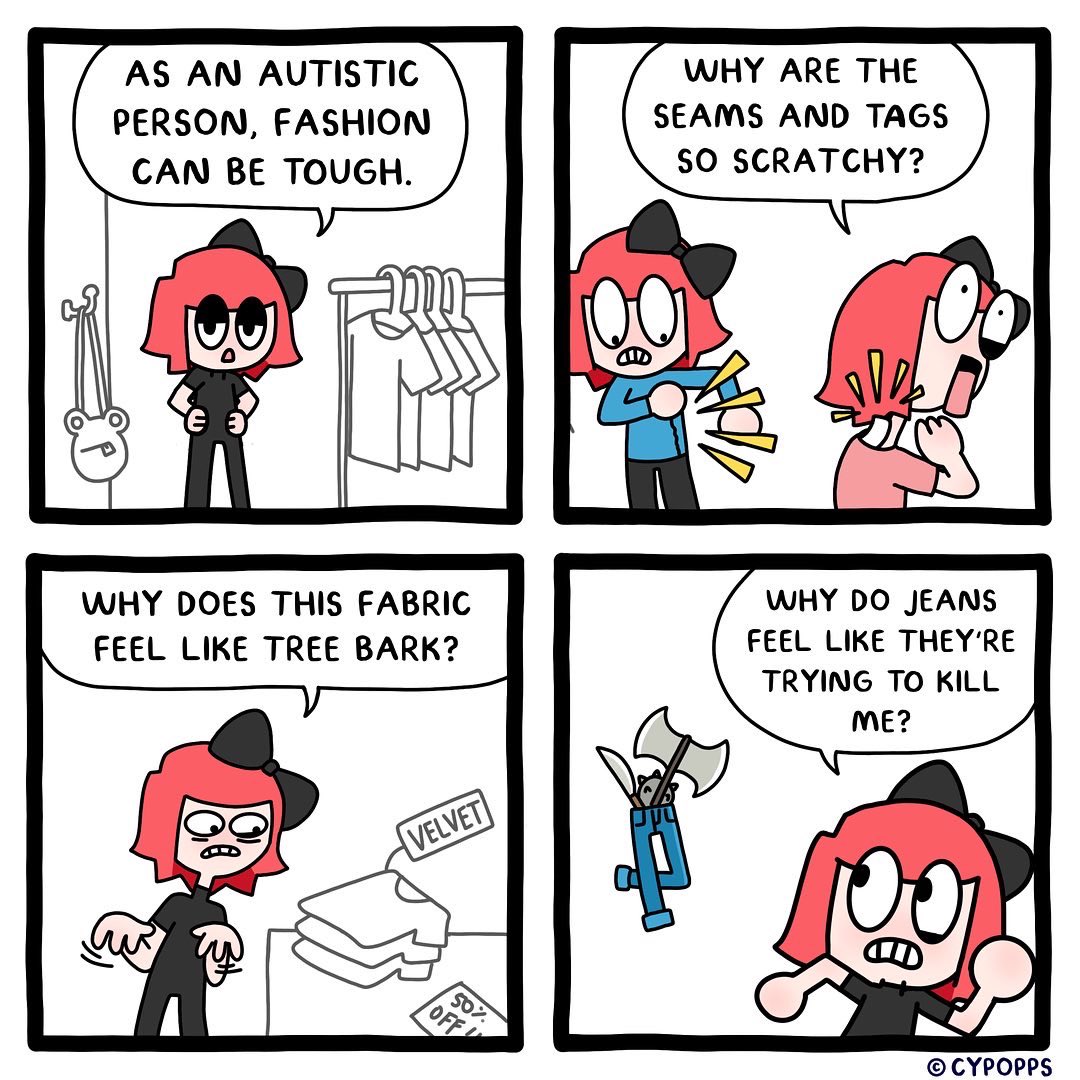
Many neurodivergent people navigate sensory processing differences which means we do not experience sound, taste, touch, smell, or color like most individuals.
Neurotypical privilege in this context is the notion that the world is largely built and designed with neurotypical self-regulation needs in mind. Because of this, anyone who has a different need must find a way to avoid or to integrate the sensory stimulus in order to be safe, comfortable, and regulated.
Each neurodivergent person has a unique relationship to sensory experiences where one may need a bit more exposure (sensory seeking) to a certain stimulus or a bit less exposure (sensory avoidant).
Examples of Neurotypical Sensory Barriers
Neurodivergent people may relate to these.
- Women experiencing discomfort over the sound of a wailing infant differently compared to men.
- A sense of anxiety in a room with complete sound absorption.
- The relaxed feeling after a good massage.
- The sound of a mosquito that keeps flying by your ear when you are attempting to sleep.
We all have sensory needs, but because of differences in biology, some of us struggle to have these needs met from our environment and require allies to access them and destigmatize our differences.