Neurodiversity
What Is It?
Welcome to the Explainer Section of our website! Here, you’ll find a collection of short and engaging explanations designed to help people with disabilities reduce the emotional labor of self-advocacy.
Understanding
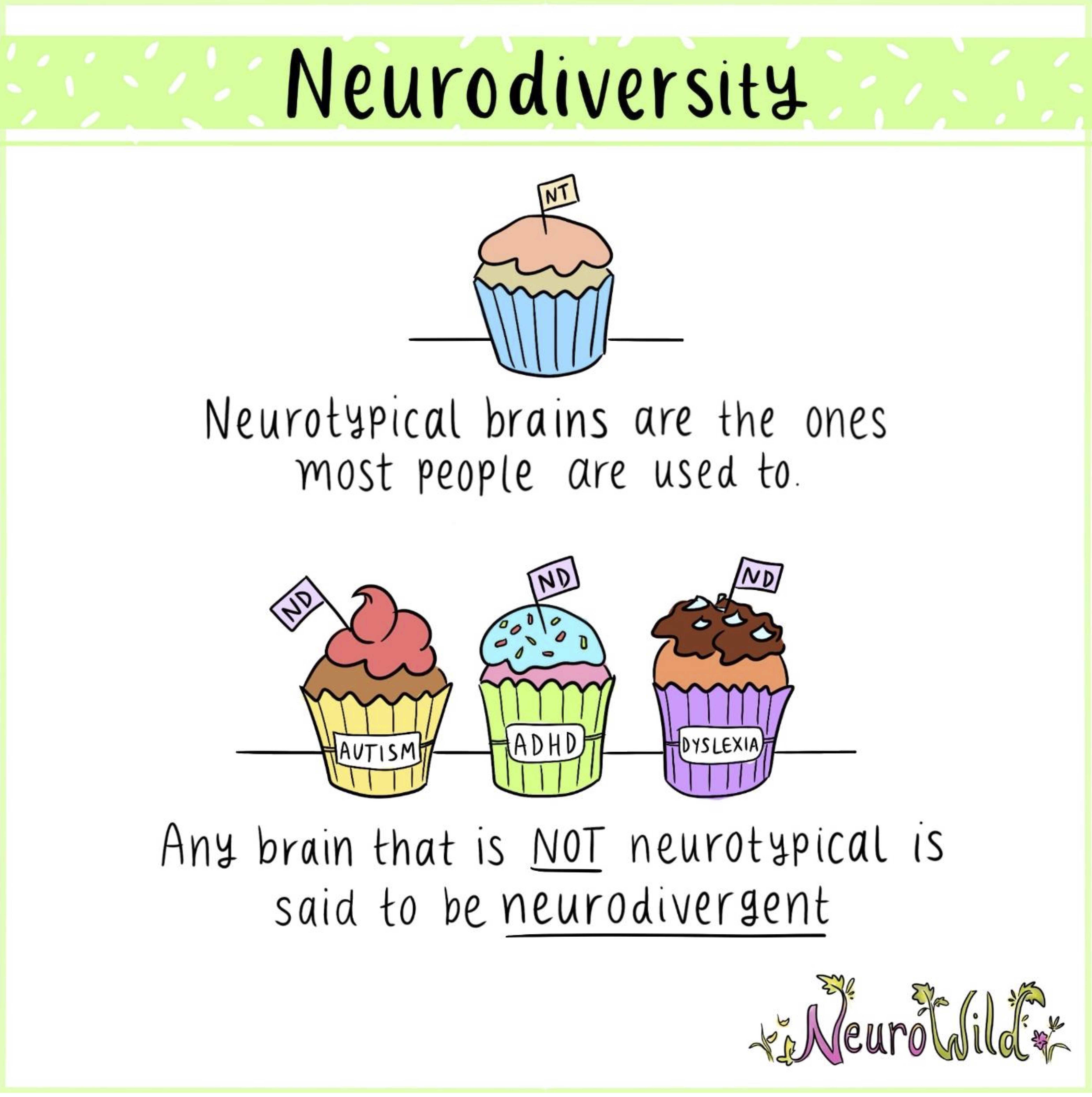
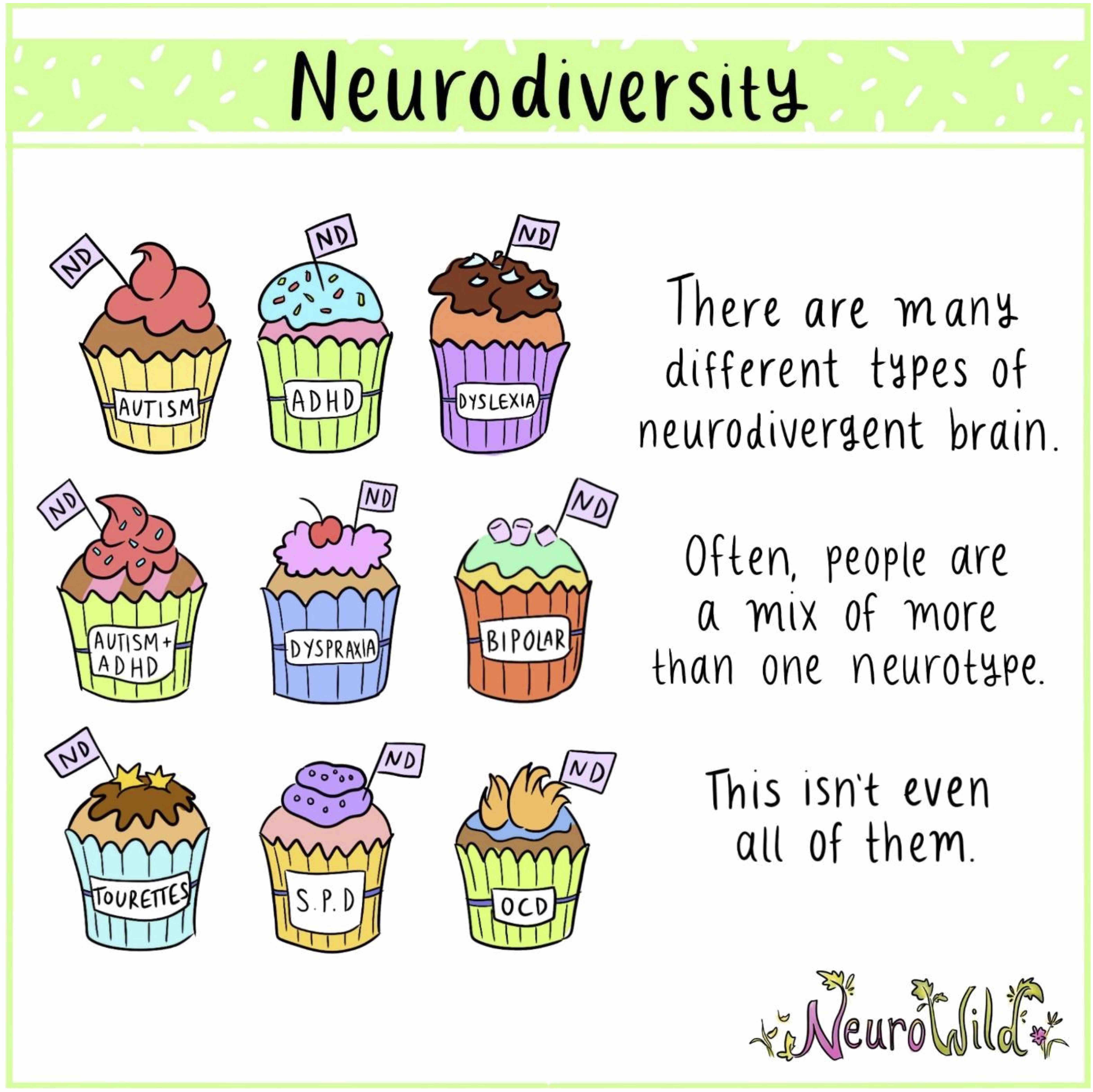
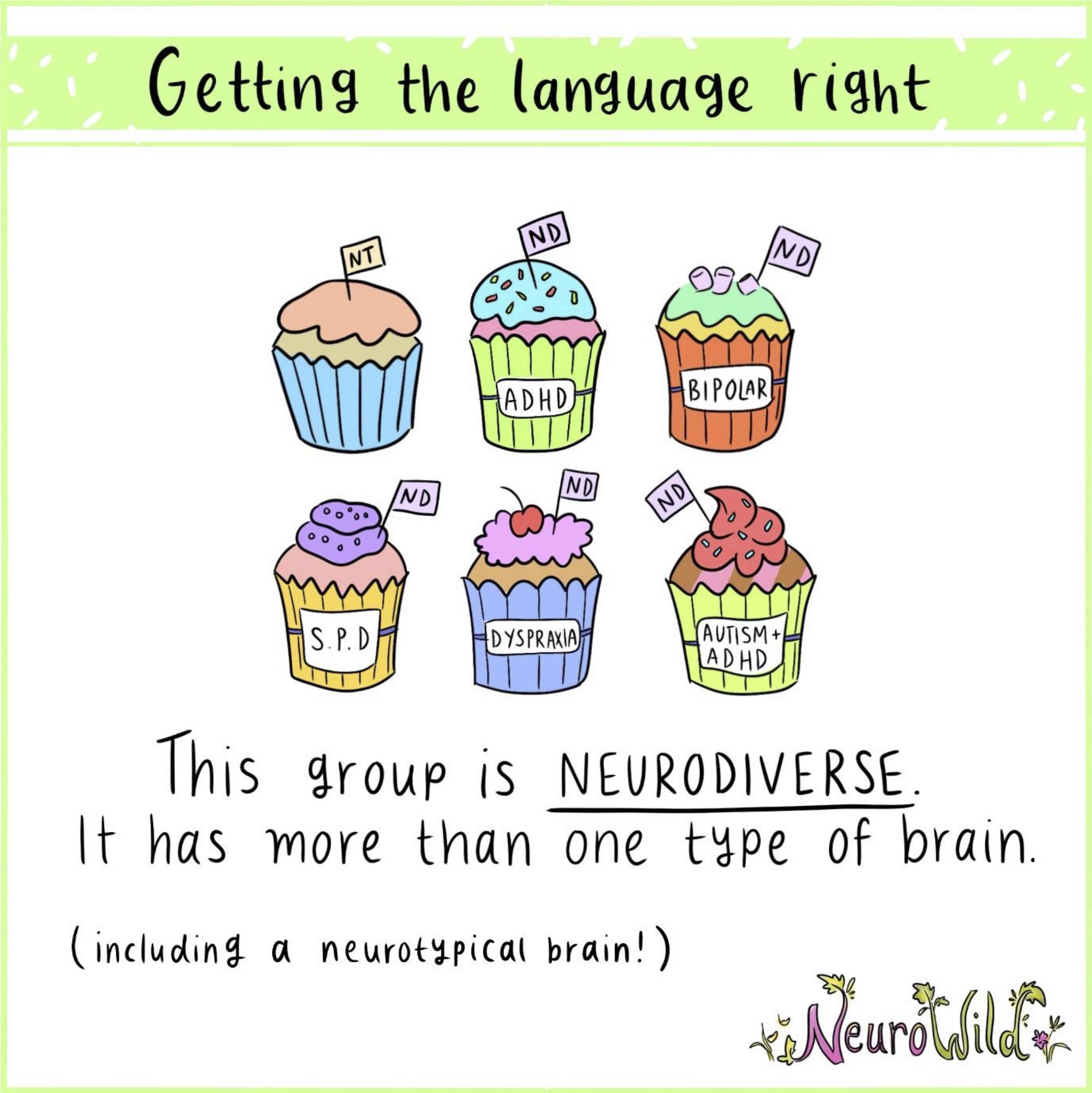
There are two main ways neurodiversity is defined today. One uses an IQ-based definition, and the other uses a lived experience paradigm. Depending on someone’s diagnosis, they may be attracted to different definitions to reaffirm their neurodivergent identity.
IQ-Based
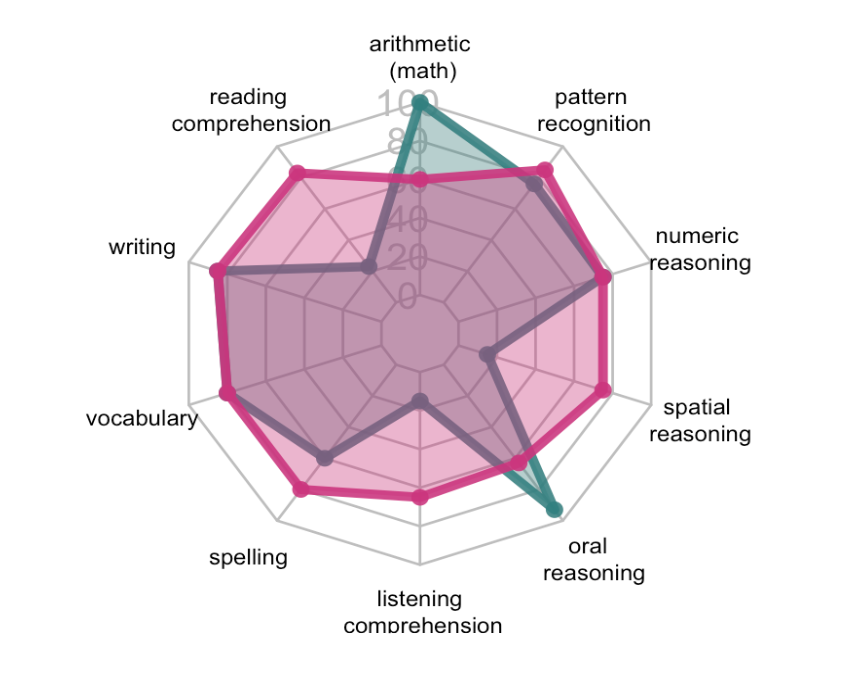
While most people have an IQ around the same score (pink), neurodivergent individuals (green) have strong strengths and weak weaknesses. This definition is generally accepted to help diagnose neurodivergence related to performance-based neurodivergence (such as learning disabilities).
Definition Consequences
- Someone can be above average in all categories and still be considered medically disabled.
- Someone can have the same IQ as a neurotypical and be considered disabled.
- Disability describes an experience between gaps in our abilities which prevent us from being able to adapt seamlessly to any base difficulty from a program stream, for example.
- Individuals with neurodivergence with indirect consequences to succeeding in an academic/professional environment are only included in non-medical applications of this definition (PTSD, OCD, Bipolar Disorder, etc.). For example, a common superstrength of people with OCD is attention to detail, but this strength may not show up on an IQ test.
Definitions of neurodivergence tied to learning and cognitive performance describes an experience of being pigeonholed to our weaknesses (deficits) while having our gifts (superstrengths) go unacknowledged.
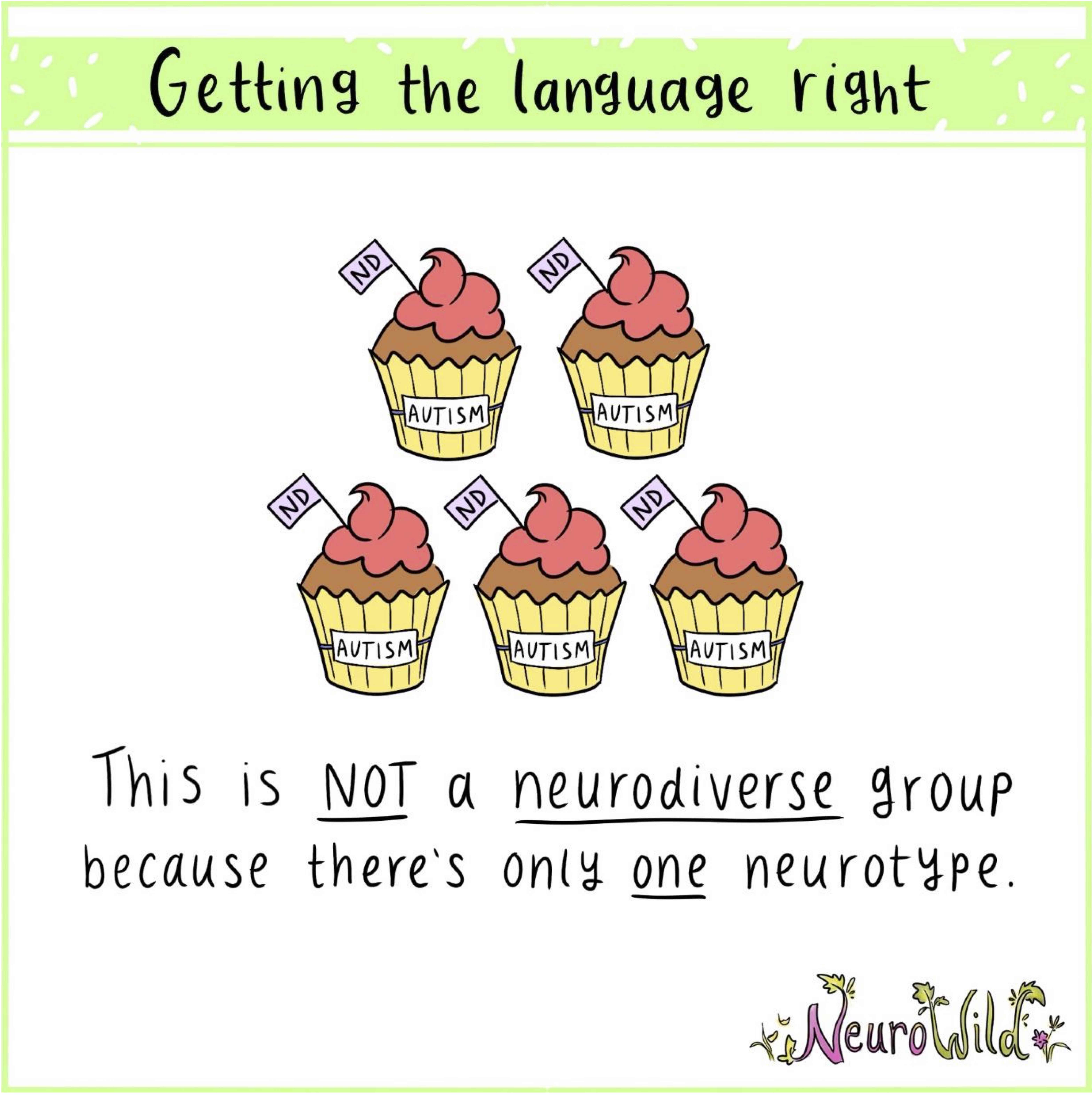
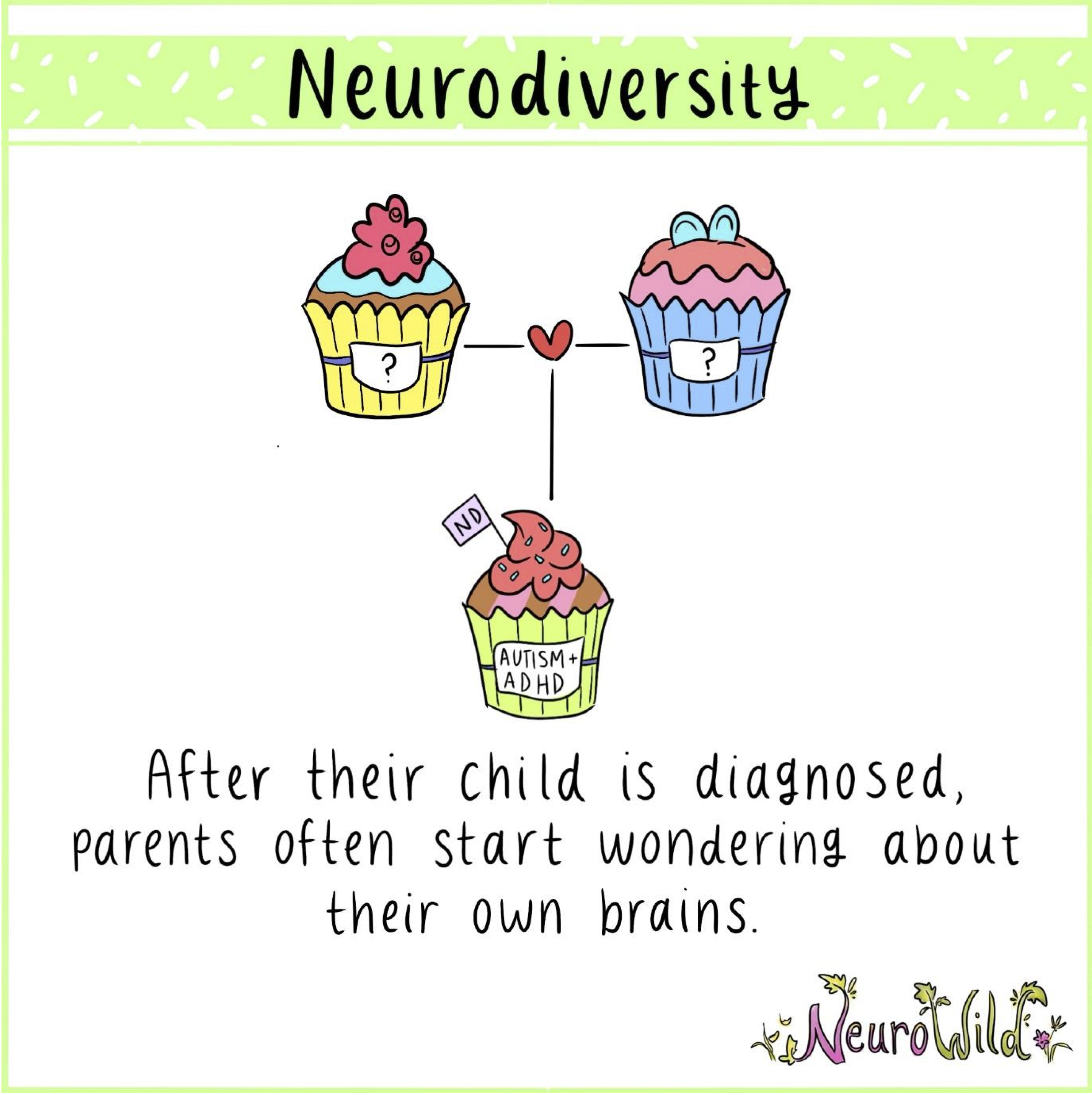
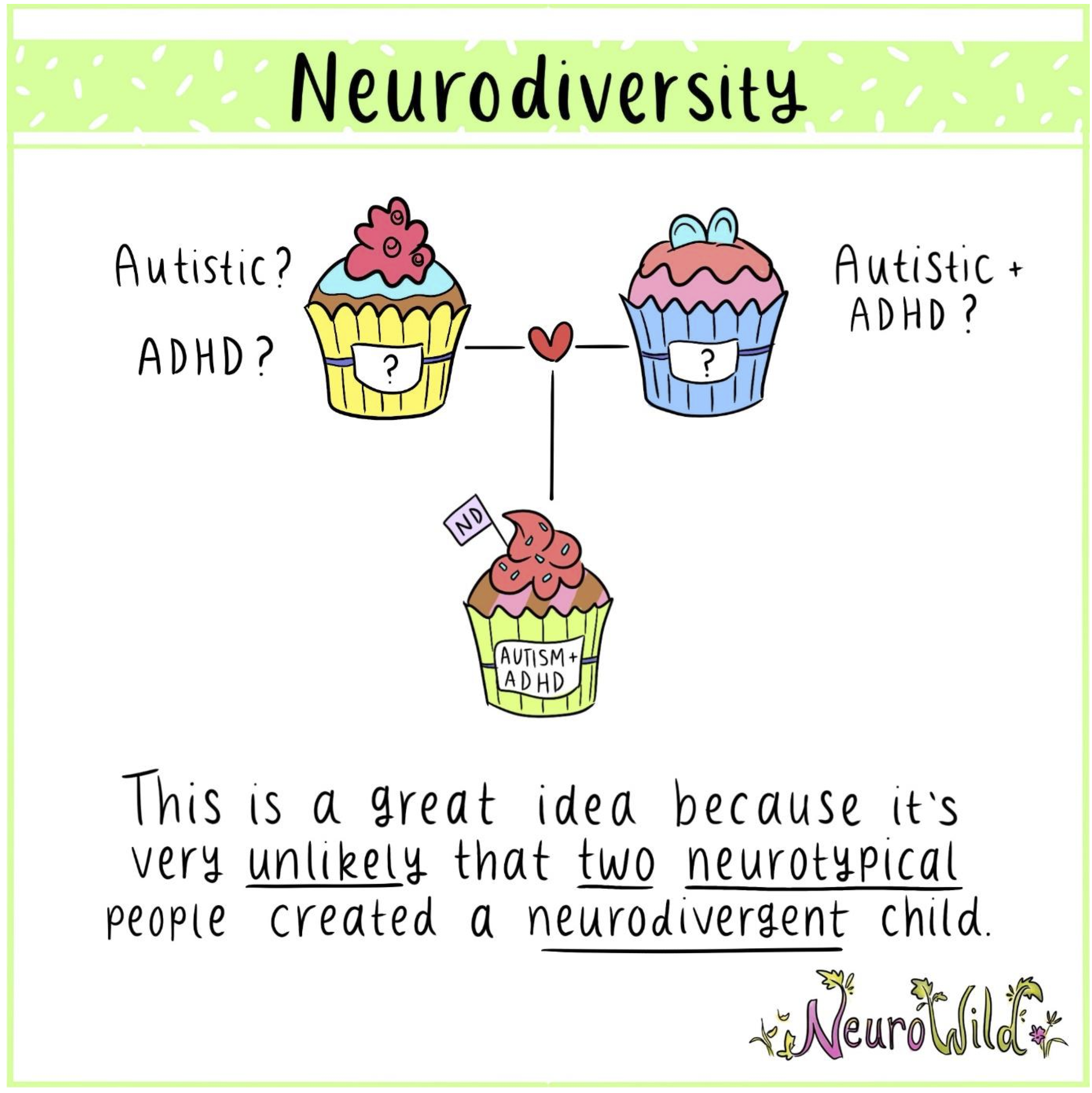
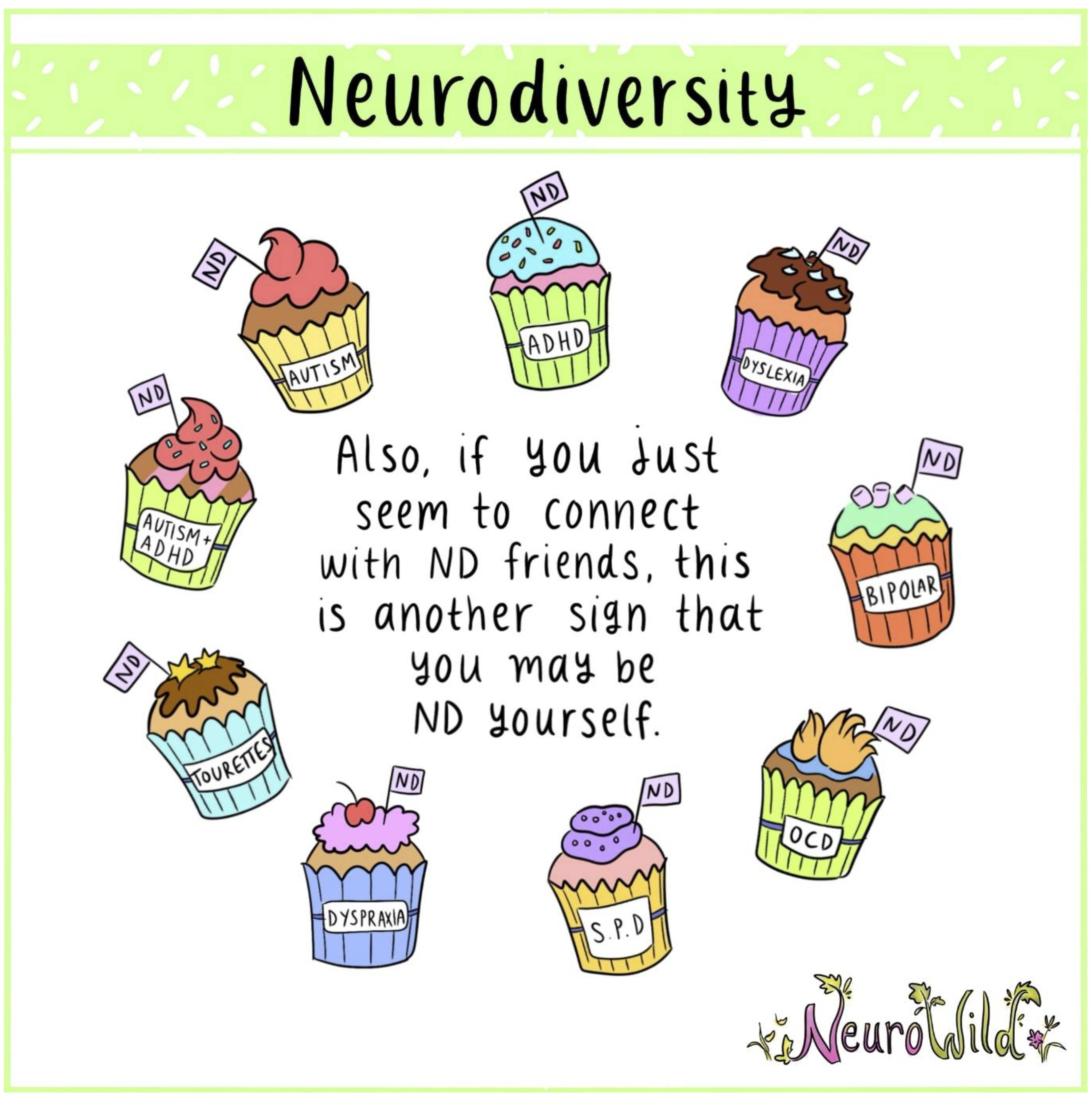
Lived Experienced-Based
Definition Consequences
- Uses a framework that resembles that of other marginalized communities more (racialized groups, women, Queer people, etc.).