Research
“Is It Reliable?”
Beall’s List of Potential Predatory Journals and Publishers - A website dedicated to tracking and documenting academic publication scams for those both looking for resources and seeking to publish.
Getting Scooped
If you are on the spectrum or lacking the confidence to assert yourself, you may be more likely to be taken advantage of by having your ideas stolen. You are more likely to be ahead of your peers as a creative researcher, even if you fall behind on standard testing. As a new researcher, you are also vulnerable and unlikely to be in a position to get credit for your ideas if you work with the wrong person with the wrong boundaries.
It is important to have a plan because these events do matter more for determining how easily you can come into contact with opportunities you could access in the future, while remaining open to collaborate with as many researchers as possible.

- Work with people you trust when you can.
- Define the rules for credit when you first start the project, and write it down.
- Make sure part of that agreement includes publishing your content online. Any open source platform for research self-publication which provides a doi will be useful. The Open Science Framework (OSF) is an example of that platform which provides such a service and allows your work to be viewed and formally cited without being downloaded.1
- If a paper, which has been shared online, is accepted to a journal, the publication often scrubs the internet of open source versions and publishes their restricted access version.2
- This means that unlike patents, you may be able to secure credit for your work, even if the publication process has not begun yet.
- This may be field-specific.
Be aware that being the first to publish is not the same as being remembered in the field.
- Someone with more experience may read your paper and publish a “better” one which gets cited more.3
- Being cited less is not something we have a solution for, but hopefully your field has a more honourable culture with opportunities to build subsequent works together with someone you would be otherwise competing with.
However, remember that even if you go through all of these steps, journal networks and publishers can be a tight-knit community. If your colleague has a strong relationship with the editor of the journal, for example, your options may be limited. This is why we recommend you work with professionals you trust, whenever possible.
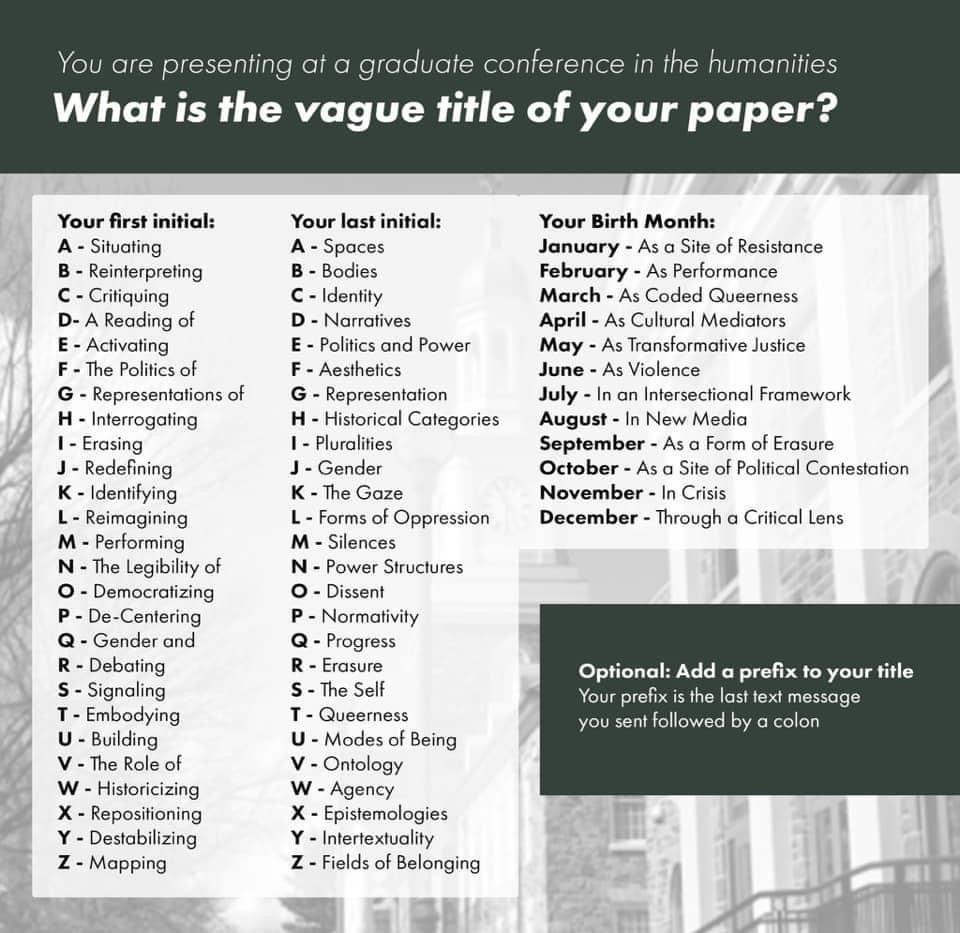
Title Papers