Romantic & Gender
Neurodivergent Romance & Relationships: A Comprehensive Guide
Because everyone deserves authentic connection and fulfilling relationships ❤️
Essential Resources
Must-Watch: Relationship Foundations
Navigating Relationship Accommodations 101 - Essential viewing for understanding how to create supportive partnerships
Fish Love - What Is It? - One perspective on how to identify love when you see it.
Neurodivergent Love Languages:
- Penguin Pebbling
- Squeezy Hugs
- Support Swapping
- Infodumping
- Parallel Play
Autism In Women Is the Opposite: Part 1, Part 2: Women Usually Mask More, Part 3, Part 4
Special Context: Neurodivergence and Queerness
It’s important to note that neurodivergence and queerness co-occur at higher rates compared to the population average (Warrier et al. 2020). The modern notion of how to conceptualize neurodivergent identity has been heavily shaped by Queer theory (Yergeau 2017).
Neurogender represents a class of gender identities where neurodivergence and gender identity are inseparably connected. For many neurodivergent individuals, their neurological differences fundamentally shape their experience of gender, attraction, and relationships.
Trusted Content Creators
Dr. Alok Kanojia (aka Dr. K), a Harvard-trained psychiatrist and one of the first scholars to study tech addiction, offers deeply insightful, compassionate streams on topics like dating, self-worth, emotional resilience, and boundaries.
As a BIPOC man with ADHD, Dr. K brings an intersectional lens to mental health particularly around modern masculinity, neurodivergence, and cultural expectations. His open, respectful dialogues with real people model emotional literacy and introspection in ways that strongly resonate with gifted and neurodivergent audiences, analytical thinkers, and those curious about blending Western/Jungian approaches with Eastern philosophy.
Dr. K doesn’t just teach emotional skills, he models and debates them in real time, helping us all navigate this strange and wonderful world with more clarity and compassion.
Check out his channel here.
Kati Morton is a licensed therapist who creates clear, approachable videos on topics like attachment styles, emotional regulation, boundaries, trauma, and relationship dynamics.
Her content is best treated as a great crash course in the psychology terms and tools that come up more and more in everyday life paired with specialized topics for those interested.
Her calm, straightforward style is perfect for people who find therapy-speak confusing or need explanations they can revisit. She reflects what most therapists in North America sound like, which can be especially helpful if you’re new to therapy or trying to make sense of it on your own.
Kati also shares Q&A videos for those who learn best through examples or don’t always know what to ask.
Check out her channel here.
The Science of Attraction
Understanding the biological basis of attraction can help you navigate intense emotions with greater self-awareness and less self-judgment.
Your Brain on “Love”: The Chemical Reality
When you experience attraction, your brain undergoes significant neurochemical changes:
- Floods reward pathways in the brain
- Creates motivation and desire to pursue connection
- Explains obsessive thinking about someone you like
Why it matters: Understanding this helps normalize and manage intense focus on romantic interests rather than being consumed by shame for inevitably encountering them
- Triggers “butterflies” and physical excitement
- Increases heart rate and alertness
- Creates that energized, slightly anxious feeling
Why it matters: These physical sensations are normal stress responses in a positive context
- Often decreases during intense attraction phases
- Associated with obsessive thought patterns
- Similar to OCD brain states (but in a romantic context)
Why it matters: Explains why new love can feel consuming and destabilizing
- Phenylethylamine: Creates euphoric excitement
- Oxytocin: Builds trust, empathy, and connection
Why it matters: These create the foundation for long-term attachment
Biological Compatibility Factors
Your attraction operates on levels beyond conscious awareness:
Immune System Compatibility (MHC)
Your body unconsciously assesses genetic compatibility through scent detection. You’re naturally drawn to people whose immune systems would complement yours, creating attraction that feels mysterious but serves evolutionary purposes.
Biorhythm Synchronization
People have natural energy cycles that can complement each other. You may find yourself attracted to someone whose energy patterns naturally support and enhance your own rhythms.
Neurochemical Complementarity
Your brain assesses whether someone’s neurochemical patterns would enhance your own functioning, creating that inexplicable sense of “clicking” with certain people.
The Bottom Line: When multiple biological systems align, attraction feels both automatic and profound. This explains why “the heart wants what the heart wants,” and why arguing with attraction rarely works.
Managing Big Feelings
The Neurodivergent Challenge
For neurodivergent individuals, falling in love can be overwhelming. Autistic people take in 40% more information when emotionally activated, making romantic intensity particularly challenging.
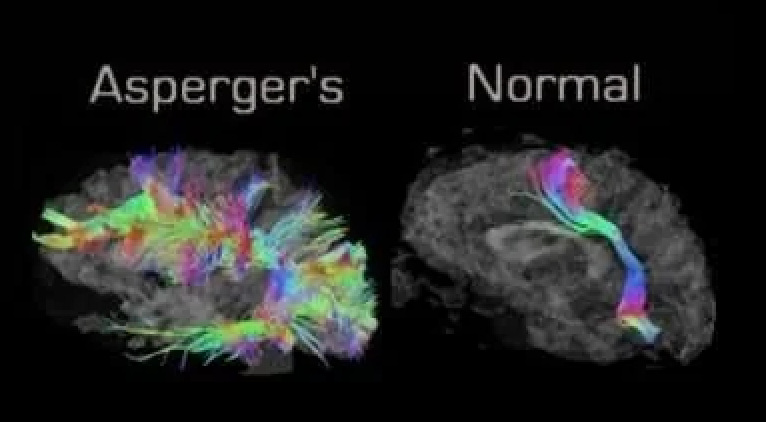
Understanding Your Window of Tolerance
Your window of tolerance represents your capacity to handle emotional experiences without becoming dysregulated.
Wide Window: You can handle various emotions and interactions while maintaining safety and stability.
Narrow Window: Everyday experiences feel threatening and unmanageable.
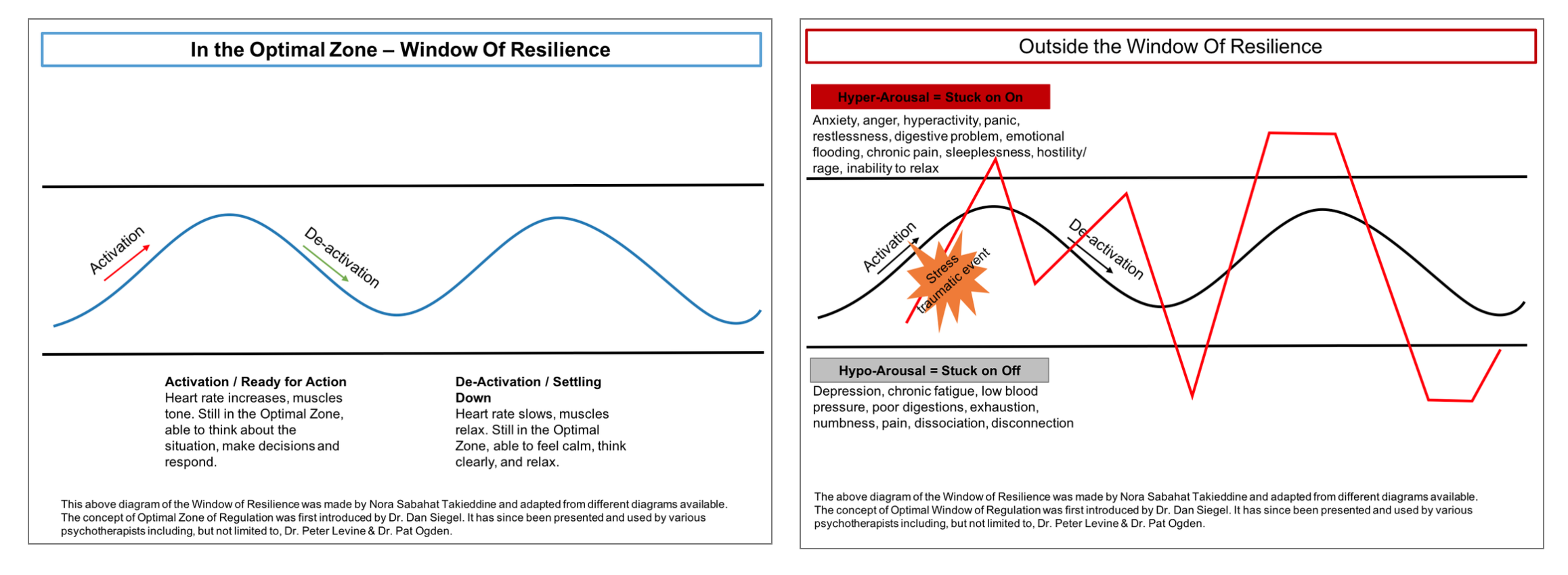
Signs You’re Outside Your Window
Hyperarousal (Too Much):
- Racing thoughts about your romantic interest
- Physical agitation or restlessness
- Difficulty sleeping or eating
- Obsessive checking of messages/social media
Hypoarousal (Too Little):
- Emotional numbness or disconnection
- Fatigue despite excitement
- Difficulty making decisions
- Withdrawal from other relationships
Strategies for Expanding Your Window
Daily Regulation Practices:
- Meditation/Mindfulness: Even 5-10 minutes daily builds emotional resilience
- Regular Exercise: Helps process excess neurochemical activation
- Sensory Regulation: Use your preferred calming sensory tools
- Sleep Hygiene: Maintain consistent sleep patterns despite emotional intensity
Communication Skills:
- Emotion Naming: Practice identifying and verbalizing feelings
- Boundary Setting: Clearly communicate your needs and limits
- Check-ins: Regular emotional state assessments with yourself and partners
Prevention Strategies:
- Gradual Exposure: Take relationships slowly to avoid overwhelm
- Support Systems: Maintain friendships and family connections
- Professional Support: Consider therapy during intense relationship periods
Sensory Preferences:
- Touch preferences and boundaries
- Environmental needs (lighting, sound, temperature)
- Sensory sensitivities and trauma history with touch that affect intimacy
Communication Styles:
- Direct vs. indirect communication preferences
- How to signal need for breaks or processing time
- Preferred methods for difficult conversations
Energy Management:
- Natural energy cycles and peak times
- How to support each other during low-energy periods
- Strategies for managing social battery depletion
The Practice of Partnership
Some important takeaways from Michelle Obama on partnership worth repeating are provided below (Obama 2022).
Learning Your Way Into Love
Relationships aren’t something we instinctively know how to do. They’re teachable skills we develop through practice, trial and error, and genuine curiosity about another person.
The “Flea Market” Phase

When you’re young or newly exploring relationships, you’re essentially in a discovery phase trying on different ways of being, sampling different relationship styles, figuring out what works for you. This is healthy and necessary. You’re collecting experiences and learning what you truly value.
The Danger of “Playing It Cool”
Many people, especially those worried about seeming “high-maintenance” or “needy,” avoid showing genuine interest or vulnerability. They keep things casual when they actually want depth.
This leads to:
- Years of surface-level connections that go nowhere
- Never learning how to communicate real feelings and needs
- Building no emotional muscle for when commitment becomes important
- Feeling frustrated that relationships aren’t progressing
Real intimacy requires practicing vulnerability, not performing coolness.
What Real Commitment Looks Like
Partnership isn’t about finding someone perfect, it’s about finding someone willing to do the work alongside you.
Different Families, Different Models
We all enter relationships with different inherited ideas about what partnership means:
- Some families express love through constant verbal affirmation
- Others show love through reliable presence and consistency
- Some communicate across distances; others gather frequently
- No single model is “right” but you must understand your own and your partner’s
The Toilet Paper Principle
Small conflicts aren’t actually about the small thing. When you merge lives with someone, you’re merging family histories, habits, and unspoken assumptions about “the right way” to do things. Learning when to compromise and when something actually matters to you is an essential skill.
The In-Between Space
Successful long-term relationships exist in what can be called the “in-between” between perfect and horrible, between independence and togetherness, between fantasy and harsh reality.
There Is No 50-50 Balance
The math of partnership is never tidy:
- One person will always be adjusting or sacrificing at any given moment
- Life happens in seasons fulfillment in love, family, and career rarely peaks simultaneously
- In strong partnerships, both people take turns at compromise
- The goal isn’t equal division but mutual commitment to weathering imbalance together
Certainty Comes From Practice
You don’t know someone is right for you because everything is easy.
It comes through:
- Repeatedly choosing to stay during difficult moments
- Learning eachother’s patterns and histories
- Developing shared language and private understanding
- Accumulating years of small moments that become your foundation
Markers of Healthy Partnership
Healthy relationships involve:
- Clear communication about interest and intentions
- Asking direct questions and expecting honest answers
- Sharing feelings without pretense or strategic withholding
- Respecting vulnerability in yourself and others
Strong partnerships are built on genuine interest in each other:
- Asking about feelings, ideas, family, and history
- Listening with the intent to understand, not just respond
- Wanting to know the full person, including difficult parts
- Maintaining curiosity even after years together
Love is demonstrated through consistent presence:
- Being reliable when someone needs you
- Prioritizing relationship alongside other obligations
- Understanding that distance doesn’t equal disconnection
- Making time even when life is demanding
What Partnership Isn’t
Not a Fix for Problems
People are who they are. Partnership won’t:
- Fix your personal issues or fill your emotional gaps, though it can provide support or experiences that helps you do your own work
- Make someone become what they don’t want to be
- Provide skills they’ve never learned, though it can be a place to practice them
- Rescue you from yourself
Not About Single Roles
Beware of anyone who wants to play just one role:
- “I make money, so don’t expect me to do childcare”
- “I’m the breadwinner; you handle everything else”
- “I’m the caregiver; you handle the finances”
“Successful partnership requires both people to have fully developed, interchangeable skills like a basketball team where everyone can shoot, pass, and defend.”
The Long View
Marriage Won’t Fix Things
Don’t expect that:
- Getting married will solve relationship problems
- Having kids will fix your marriage
- External milestones will create internal connection
Work on the foundation first, then build on it.
The Practice Never Ends
Even decades into a relationship part of the beauty is that things never get old because:
- You’ll continue learning about each other
- New challenges will require new adaptations
- The work of understanding and accommodating continues
- The reward is knowing someone deeply and being known
Neurodivergent-Specific Resources
ADHD and Romance
Dating with ADHD - Comprehensive guide to navigating romantic relationships with ADHD
Common ADHD Relationship Challenges:
- Time blindness affecting date planning
- Hyperfocus on romantic interests
- Rejection sensitivity in dating
- Executive function challenges with relationship maintenance
ADHD Relationship Strengths:
- Intense passion and enthusiasm
- Creative problem-solving in relationships
- Spontaneity and adventure
- Deep emotional connections
ADHDgender - Gender identity intrinsically connected to ADHD experience
Autism and Romance
Adult Autism and Romantic Relationships Lecture - In-depth exploration of autistic approaches to love and partnership
Conflict and Meta-Communication - Understanding communication about communication
Common Autistic Relationship Experiences:
- Need for clear, direct communication
- Sensory considerations in physical intimacy
- Social masking fatigue in relationships
- Special interests affecting relationship dynamics
Autistic Relationship Strengths:
- Loyalty and commitment
- Honest, authentic communication
- Attention to partner’s specific needs
- Deep, meaningful connections
Autigender - Gender identity inseparably linked to autistic experience
Is It High IQ Or Autism?
Holistic reframing of high IQ
LGBTQ+ and Neurodivergent Intersections
Supporting LGBTQ+ Young People with Disabilities - The Trevor Project’s intersectional resources
Queer and Neurodivergent (Neuroqueer) Considerations:
- Double minority stress in dating
- Finding communities that understand both identities
- Navigating disclosure of multiple marginalized identities
- Accessing affirming healthcare and support
Sex Education and Intimacy
Sex Education Done Right
We know most of us growing up unfortunately never had access to actual, practical, medically supported sexual education. Comprehensive, trauma-sensitive sex education that’s:
- Queer and disability-affirming, relatable, and inclusive
- Judgment-free and educational
- Trauma-sensitive and intersectional
- Designed for learning at your own pace
Why This Matters for Neurodivergent Individuals:
- Higher rates of sexual trauma in neurodivergent communities
- Need for clear, explicit consent education
- Sensory considerations in sexual experiences
- Communication strategies for intimate relationships
Key Topics Covered:
The vast majority of the world’s population does not have access to the most effective and clinically supported form of sex education for White, non-disabled, straight, cisgendered people. What about everyone else?
- Consent fundamentals
- Communication about preferences and boundaries
- Trauma-informed approaches to intimacy
- … even some history of sexual health!
- For the best holistic resources exclusively dedicated to disabled and Queer folks (Silverberg and Kaufman 2016; Roche 2018; Bellwether 2013)
… because everyone deserves to be treated as a whole human, to be informed about their health, and to have access to bodily autonomy.
Intimacy Communication Tools
For Analytical Minds
Comprehensive Intimacy Communication Guide
- Created by an AuDHD individual
- Highly personalizable and detailed
- Perfect for analytical types who prefer systematic approaches to relationship discussions
For Visual Learners
Simplified Communication Guide
- Visual, easy-to-understand format
- Good starting point for intimacy conversations
- Less customizable but more accessible
Practical Next Steps
If You’re Single and Looking
- Work on your window of tolerance through daily regulation practices
- Clarify your values and needs in relationships
- Practice communication skills in low-stakes situations
- Build your support network before intense romantic connections, but also acknowledge that life can be wild and “Jesus take the wheel” situations do come up
If You’re in a Relationship
- Establish regular check-ins about needs and boundaries
- Create sensory-friendly spaces for intimacy and connection
- Develop strategies for managing overwhelm together
- Celebrate your unique strengths as a neurodivergent couple
If You’re Struggling
- Seek neurodivergent-affirming therapy or coaching
- Connect with community through online forums or local groups
- Practice self-compassion during difficult periods
- Remember: Your neurodivergence is not a barrier to love, it’s part of what makes you uniquely capable of deep, authentic connection
Remember
Love and attraction operate on biological, psychological, and social levels that often feel beyond our control. Understanding these mechanisms doesn’t diminish the magic. It gives you tools to navigate the intensity with greater self-awareness and success.
Your neurodivergent traits aren’t obstacles to overcome in relationships; they’re integral parts of who you are that contribute to your capacity for authentic, meaningful connection. The right person will not just accept these aspects of you. The right person will appreciate how your unique neurology enhances your ability to love and be loved.
You deserve relationships that celebrate your whole self.